2026/02/20
Value-Added Services (VAS) in logistics refer to additional operations performed beyond standard transportation and warehousing to enhance product value, optimize supply chains, and improve customer experience. These services include labeling, kitting, repacking, light assembly, quality inspection, customization, cross-docking, returns management, and more.
In modern supply chains, VAS is no longer optional—it is a strategic tool that differentiates logistics providers, accelerates time-to-market, and increases brand competitiveness.

VAS in logistics describes supplementary services integrated into warehousing and distribution processes to increase the commercial value of goods before final delivery.
While traditional logistics focuses on storage and transportation, VAS in logistics focus on:
Product customization
Market compliance preparation
Retail readiness
Operational efficiency
Customer experience enhancement
In practical terms, VAS transforms a warehouse from a storage center into a supply chain solution hub.
The VAS logistics meaning in logistics has evolved significantly over the past decade.
Previously, value-added services were limited to basic labeling or packaging. Today, driven by e-commerce, omnichannel retail, and global compliance complexity, value added services in logistics includes:
Postponement manufacturing
Localization for cross-border markets
Subscription box assembly
Reverse logistics refurbishment
Channel-specific packaging customization
B2B/B2C hybrid fulfillment solutions
This evolution reflects a shift from cost-focused logistics to value-driven supply chain partnerships.
Value-added services create measurable commercial impact across operations, finance, and customer satisfaction.
Localized labeling, compliance adjustments, and kitting reduce time-to-market.
Postponement strategies reduce SKU complexity and lower safety stock requirements.
Bundled services reduce handling duplication and transportation waste.
Retailers such as Amazon, Walmart, and major supermarket chains require strict packaging and labeling standards.
Customized packaging, gift wrapping, and branded inserts increase repeat purchase rates.
Value added services in logistics go beyond storage and transportation by enhancing product readiness, compliance, and customer experience. Common value added services logistics examples include:
Packaging & labeling: barcode labeling, marketplace compliance labels (e.g., FNSKU), retail tagging, repackaging
Kitting & bundling: multi-SKU kits, promotional sets, subscription box assembly
Light assembly: minor product assembly, accessory insertion, manual inclusion
Quality control: pre-shipment inspection, function testing, quantity checks
Customization & localization: multilingual manuals, regional configuration, compliance labeling
Reverse logistics: returns inspection, refurbishment, resale preparation
These services transform traditional warehousing into a value-driven supply chain solution.
For a detailed breakdown of operational workflows and industry use cases, see our complete guide on Value Added Services in Logistics Examples.
3PL value added services refer to VAS provided by third-party logistics companies as part of integrated supply chain solutions.
A strategic 3PL freight forwarder offers:
Integrated basic warehousing + VAS operations
Flexible labor capacity
SOP-driven quality control
ERP/WMS system integration
Real-time inventory visibility
Rather than outsourcing individual tasks, brands increasingly rely on 3PL freight forwarders to act as operational extensions of their business.
Basic logistics includes:
Storage
Transportation
Order picking
Shipping
Value added services include:
Custom packaging
Product modification
Retail compliance preparation
Branding enhancements
Supply chain optimization tasks
The distinction lies in value creation versus movement execution.
| Standard Logistics | Value Added Services in Logistics |
|---|---|
| Transportation only | Packaging + labeling + kitting |
| Basic storage | Inventory optimization |
| Fixed process | Customized solutions |
Value-added services impact profitability in multiple ways:
Reduce product return rates
Increase average order value through bundling
Lower last-mile costs via optimized packaging
Minimize compliance penalties
Improve demand forecasting via postponement strategies
For e-commerce brands and global manufacturers, VAS directly supports margin stability.
The development of VAS aligns with three major supply chain shifts:
D2C brands require high SKU flexibility and personalized packaging.
Retailers demand channel-specific compliance standards.
Localization and regulatory compliance are now critical operational layers.
As a result, logistics providers have transformed into value chain partners rather than service contractors.
From a branding perspective, VAS enables
:
Premium unboxing experiences
Market-specific customization
Promotional agility
Improved fulfillment accuracy
For customers, it delivers:
Faster delivery
Better packaging protection
Localized product usability
Higher perceived brand value
When selecting a provider, evaluate:
WMS system capability
Standardized SOP workflows
QC checkpoints
Peak season labor flexibility
Multi-location warehousing
Retail compliance knowledge
International labeling regulations
Electronics
FMCG
Fashion
Automotive parts
E-commerce
Real-time inventory tracking
Order-level reporting
Performance dashboards
As a freight forwarder shipping company, Asiafly integrates warehousing, freight forwarding, and customized VAS solutions to support global brands entering international markets.
Key capabilities include:
Cross-border freight integration
Local compliance labeling
Kitting & promotional assembly
Quality inspection
Flexible storage solutions
Reverse logistics support
By combining freight expertise with value-added operational services, Asiafly enables brands to streamline supply chains while maintaining cost control and service excellence.
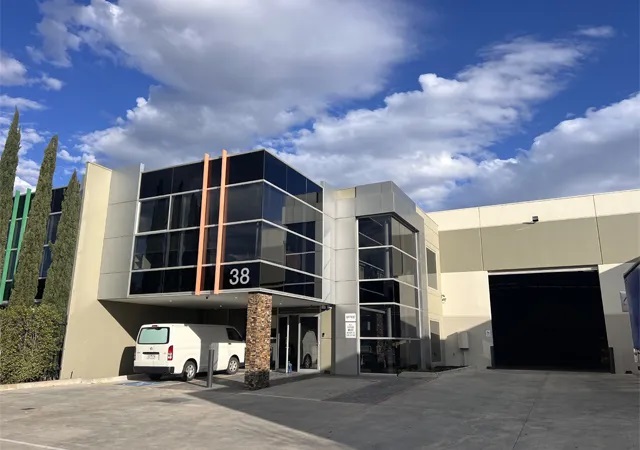
Examples include labeling, kitting, repackaging, light assembly, inspection, localization, bundling, and returns processing.
They increase customer retention, expand revenue streams, and strengthen strategic partnerships.
When integrated efficiently within warehousing operations, VAS reduces overall supply chain costs by eliminating redundant handling and third-party outsourcing.
They enable marketplace compliance, branded packaging, subscription box assembly, and flexible fulfillment models.
This is the first one.
 English
 português