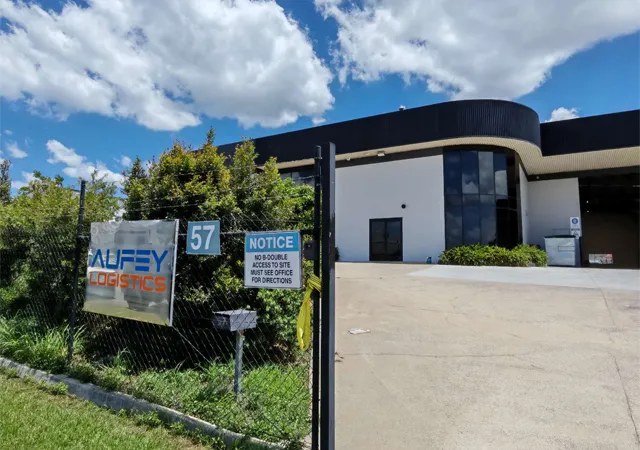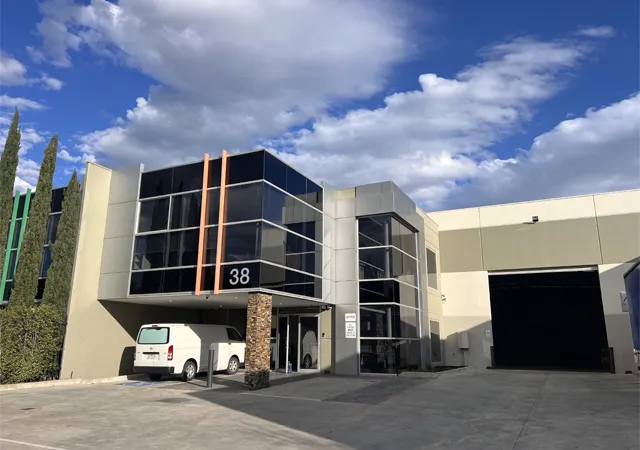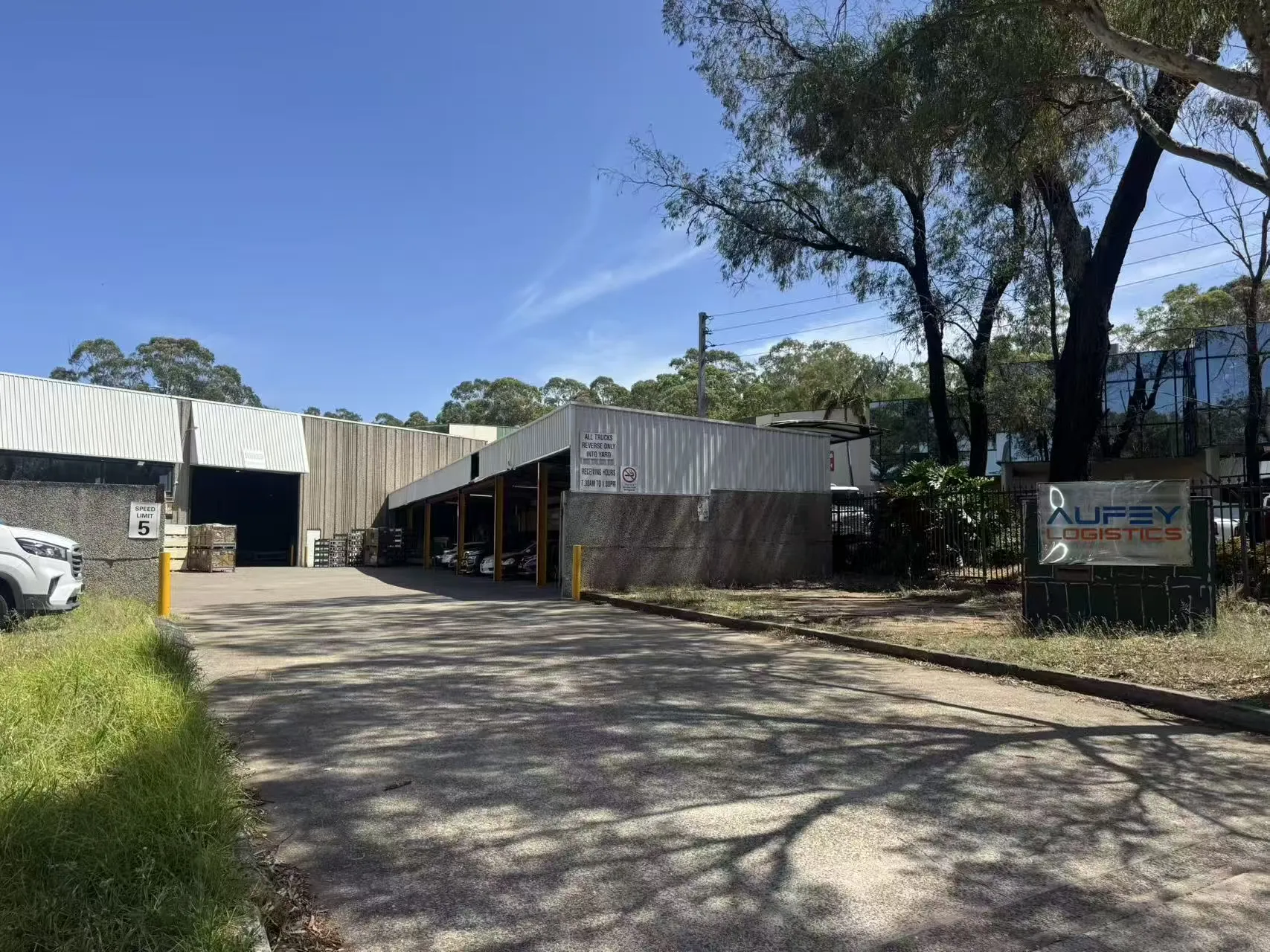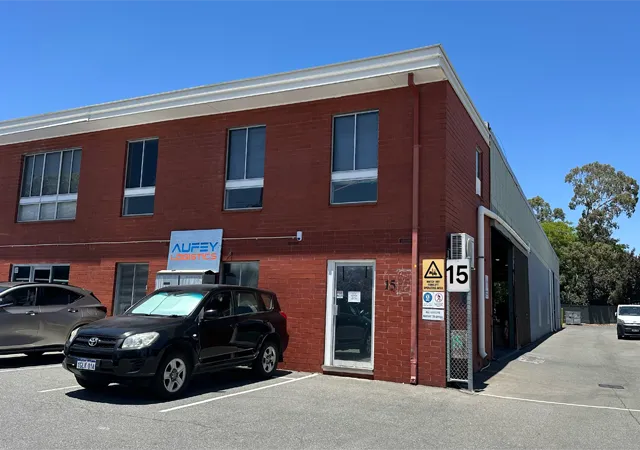
Welcome to Asiafly's Perth Branch Freight Forwarding service. We offer reliable and efficient freight forwarding services, including parcel delivery to Perth. With Asiafly, you can trust us to handle your shipments with utmost care and professionalism. Our experienced team ensures timely deliveries and provides accurate tracking information for your peace of mind. Whether you need domestic or international shipping, our comprehensive service will meet your needs. Trust Asiafly for all your freight forwarding requirements in Perth.
| Serial Number | Warehouse Name | Area | Warehouse Code | Zip Code | Address |
| 1 | ASIAFLY | Perth | AFP1 | 6155 | 15 whyalla street willetton WA 6155 |
| 2 | FBA | Perth | PER2-PER3 | 6105 | 60 Paltridge Road Perth Airport WA 6105 |
| 3 | FBA | Perth | PER4 | 6164 | Site 516 2 Centurion PlJandakot,WA,6164,AU |
1. Air Freight
Air freight is the go-to option for businesses prioritizing speed. It's ideal for high-value, time-sensitive goods like electronics, pharmaceuticals, or perishable items.
| Key Benefits | Limitations |
| Fastest shipping option for international and domestic routes. | Higher costs compared to other methods. |
| Reliable schedules with frequent flights out of Perth Airport. | Weight and size restrictions on shipments. |
| Secure handling of sensitive or valuable cargo. |
2. Sea Freight
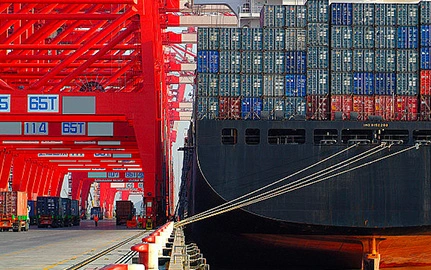
For heavy or bulky goods, sea freight is a cost-effective and widely used method in Perth, especially for international shipments. Perth's proximity to Fremantle Port makes it a hub for sea freight services.
| Key Benefits | Limitations |
| Affordable for large shipments like machinery, vehicles, or bulk goods. | Longer transit times compared to air freight. |
| Suitable for long-distance international trade. | Possible delays due to port congestion or customs clearance. |
| Flexible container options, such as Full Container Load (FCL) or Less than Container Load (LCL). |
3. Road Freight
Within Western Australia, road freight is the most common method for domestic transportation. It supports the distribution of goods between Perth and regional areas.
| Key Benefits | Limitations |
| Flexible and reliable for short to medium distances. | Limited to land routes, making it unsuitable for intercontinental shipping. |
| Cost-effective for moving goods within WA. | Weather and road conditions can cause occasional delays. |
| Ideal for door-to-door delivery. |
4. Rail Freight
Rail freight is gaining popularity in Perth for transporting large quantities of goods across Australia. It's a sustainable and efficient option for industries like mining and agriculture.
| Key Benefits | Limitations |
| Environmentally friendly with lower carbon emissions. | Limited network connectivity in some remote areas. |
| Cost-effective for bulk shipments over long distances. | Requires additional road transport for last-mile delivery. |
| Reliable for transporting goods like minerals and grains. |
5. Multimodal Freight
Combining two or more methods (e.g., sea and road or air and rail) allows businesses to balance speed and cost while ensuring flexibility in freight forwarding.
| Key Benefits | Limitations |
| Optimized for cost-efficiency and delivery speed. | Requires careful planning and coordination between carriers. |
| Flexible solutions for complex supply chains. | Slightly higher logistics costs due to mode transfers. |
| Reduces reliance on a single transport mode. |
Which Method Is Right for You?
The best freight forwarding method depends on your business needs. For fast delivery, air freight is unbeatable. If cost is your priority, sea or road freight might be better. And for sustainable, large-scale transport, rail freight could be the ideal choice.
Freight forwarders specialize in organizing the shipment of goods from one place to another, acting as intermediaries between the shipper and various transportation services. They differ from other logistics providers in several ways:
Comprehensive Services: Freight forwarders handle all aspects of the shipping process, including transportation, documentation, customs clearance, and insurance.
Network and Expertise: They have extensive networks of carriers and expertise in global shipping routes and regulations.
Customization: Freight forwarders offer tailored solutions to meet specific shipping needs, unlike standard logistics providers who may offer more generalized services.
While both freight forwarders and customs brokers facilitate the movement of goods, they have distinct roles:
Freight Forwarder: Manages the logistics of shipping goods, including coordinating with carriers, handling documentation, and arranging for storage and transport.
Customs Broker: Specializes in clearing goods through customs by ensuring compliance with all regulatory requirements, preparing and submitting necessary documentation, and paying duties and taxes on behalf of the importer.
When using a freight forwarder, it is crucial to be aware of several regulatory and compliance concerns:
Import/Export Regulations: Adhering to the laws and regulations of both the origin and destination countries.
Customs Documentation: Ensuring all required documentation is accurate and complete to avoid delays or fines.
Trade Compliance: Following international trade agreements, sanctions, and embargoes.
Safety and Security Standards: Complying with regulations related to the safety and security of the goods being transported.
Environmental Regulations: Abiding by regulations aimed at minimizing environmental impact, such as those related to emissions and waste management.
When working with a freight forwarder, you may be liable for various charges, including:
Freight Charges: Costs for the actual transportation of goods, which can vary based on mode (air, sea, land), distance, and weight/volume.
Customs Duties and Taxes: Fees imposed by the destination country's customs authorities based on the value and type of goods.
Handling Fees: Charges for loading, unloading, and handling of goods at various points during transit.
Insurance Costs: Fees for insuring the goods against damage or loss during shipment.
Storage Fees: Costs for storing goods in warehouses or storage facilities if needed during the transit process.
Documentation Fees: Charges for preparing and processing necessary shipping documents.
Additional Surcharges: Including fuel surcharges, port fees, and other miscellaneous costs that may arise during shipping.
 English
 português