2026/02/14
In today’s cross-border eCommerce environment, B2C parcel delivery is no longer just about moving small packages — it is about speed, visibility, cost control, and customer experience. Businesses selling directly to consumers need reliable B2C parcel international shipping, real-time B2C parcel tracking, and scalable international freight forwarding services to stay competitive.
This article explains how modern B2C parcel logistics works, why many sellers struggle with cross-border shipping, and how integrated freight forwarding services companies — including Asiafly — help brands scale globally, especially into high-potential markets like Australia and Brazil.

B2C (Business-to-Consumer) delivery refers to shipping products directly from a seller to an individual end customer. Unlike bulk B2B freight, B2C parcel shipments are:
Small and individually labeled
Delivered to residential addresses
High-volume, low-weight
Highly time-sensitive
Dependent on accurate tracking visibility
Consumers expect fast delivery, real-time tracking updates, and predictable arrival times. That expectation makes logistics performance directly tied to brand reputation.
| Factor | B2C Parcel Delivery | B2B Freight Shipping |
|---|---|---|
| Shipment Type | Small parcels | Pallets / Containers |
| Delivery Address | Residential | Commercial |
| Delivery Window | Flexible | Scheduled |
| Tracking | Real-time tracking required | Milestone-based |
| Experience Focus | Customer satisfaction | Cost efficiency |
In short, B2C logistics requires stronger digital integration, better last-mile coordination, and more transparent tracking systems.
B2C parcel international shipping refers to cross-border small-parcel delivery that includes:
Air or sea transport
Customs clearance
Duty & tax handling (DDP/DDU)
Local last-mile delivery
Full B2C parcel tracking integration
Professional freight forwarding services companies coordinate these steps to ensure seamless cross-border delivery.
Many eCommerce sellers face:
Last-mile delivery can account for over 40% of total parcel costs.
Incorrect HS codes or documentation errors cause shipment holds.
Without integrated B2C parcel tracking, customer service costs increase due to WISMO (“Where is my order?”) inquiries.
Port congestion, flight delays, and inspection risks affect delivery reliability.
Managing multiple carriers without a unified system increases operational complexity.
Experienced international freight forwarding services providers deliver:
Multi-carrier rate optimization
Air and sea freight consolidation
Customs compliance support
DDP solutions
Integrated B2C parcel tracking systems
Cross-border cost optimization
Leading global carrier networks such as
DHL,
FedEx,
UPS, and
Australia Post
are often integrated within professional freight forwarding ecosystems to ensure global reach and last-mile reliability.
For global eCommerce brands, scalable B2C parcel delivery is not just about transportation — it requires integrated freight control, customs efficiency, last-mile reliability, and full B2C parcel tracking visibility.
Asiafly delivers end-to-end international freight forwarding services tailored for cross-border sellers expanding into high-growth markets such as Australia and Brazil.
Australia is one of the most attractive yet operationally complex markets for cross-border eCommerce. High logistics costs, geographic dispersion, and strict import procedures require specialized expertise.
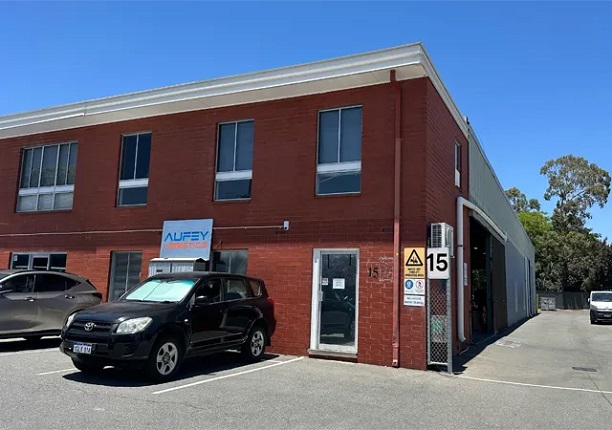
Asiafly provides a fully integrated Australian Special Line Logistics solution designed for stable and cost-effective B2C parcel international shipping.
Key Advantages:
Direct air freight routes for time-sensitive shipments
Stable sea freight schedules for cost optimization
Pre-clearance customs models (KJ3 / 9610 where applicable)
Licensed customs brokerage and bonded warehouse capability
Daily interstate trucking between SYD, MEL, BNE, ADL
Nationwide last-mile delivery coverage
Through strategic cooperation with major last-mile networks including
Australia Post,
Aramex (Fastway),
Toll Group, and
TNT,
Asiafly ensures reliable residential delivery without remote-area surcharges in most regions.
What This Means for Sellers:
Faster customs clearance
Reduced inspection risks
Lower per-parcel shipping cost
Predictable transit times
Full B2C parcel tracking integration
Rather than managing multiple carriers independently, sellers gain a unified logistics solution under one professional freight forwarding partner.
Brazil represents one of Latin America’s fastest-growing eCommerce markets — but it also presents complex tax structures, customs compliance requirements, and regional distribution challenges.
As a professional shipping fulfillment company, Asiafly Fulfillment in Brazil combines international freight forwarding services, customs coordination, bonded warehousing, and local B2C parcel distribution to provide a comprehensive and efficient worldwide shipping and fulfillment solution tailored to businesses operating in the Brazilian market.
Asiafly’s Integrated Brazil Advantage:
Cross-border air & sea freight consolidation
Local customs clearance expertise
Bonded warehousing and inventory management
Nationwide last-mile B2C parcel delivery
Real-time B2C parcel tracking visibility
This integrated structure allows sellers to:
Reduce regulatory risk
Avoid unexpected tax complications
Improve delivery predictability
Scale operations without establishing a local entity
For brands entering Brazil, working with experienced freight forwarding services companies with local operational presence significantly lowers market-entry barriers.
A1: Domestic metro delivery: 1–3 business days
Regional: 2–6 business days
International air freight: 3–7 days
Sea freight: 20–30 working days
A2: B2C delivery focuses on small parcels, residential addresses, and real-time tracking visibility. B2B focuses on bulk freight and scheduled deliveries.
A3: Businesses can reduce B2C parcel delivery costs by consolidating shipments, optimizing package size, and selecting the right air or sea freight balance. Working with experienced freight forwarding services companies also helps control customs fees and improve route efficiency.
A4: B2C parcel tracking improves transparency by allowing customers to monitor their shipment status in real time. It reduces customer service inquiries, increases trust, and strengthens overall eCommerce satisfaction.
 English
 português