2026/01/30
International freight shipping connects global supply chains by moving goods across borders through ocean, air, and land transportation. The most effective freight solutions balance cost, speed, reliability, and regulatory compliance—making the choice of freight mode and freight forwarder critical for importers and exporters operating internationally.
Freight shipping refers to the transportation of commercial goods, raw materials, or cargo in bulk quantities across domestic or international destinations using specialized logistics networks.
Unlike parcel shipping, freight typically involves:
Larger shipment volumes
Commercial documentation and customs clearance
Multiple transportation legs (multimodal)
Professional freight forwarding services companies
Freight shipping is the foundation of global trade, enabling manufacturers, distributors, and retailers to move goods efficiently across borders.
Shipping is a broad term that covers all types of goods transportation, including parcels and small packages. Freight specifically refers to commercial cargo shipments that require logistics planning, regulatory handling, and professional coordination.
| Aspect | Shipping | Freight |
|---|---|---|
| Shipment size | Small to medium | Large, bulk, palletized |
| Users | Consumers & businesses | Primarily businesses |
| Documentation | Minimal | Extensive (B/L, customs) |
| Transport modes | Courier, postal | Ocean, air, land, rail |
| Service providers | Carriers | Freight forwarders, NVOCCs |
For international trade, freight shipping is the standard model.
Freight transportation is typically categorized by mode, each suited to different cargo, timelines, and budgets.
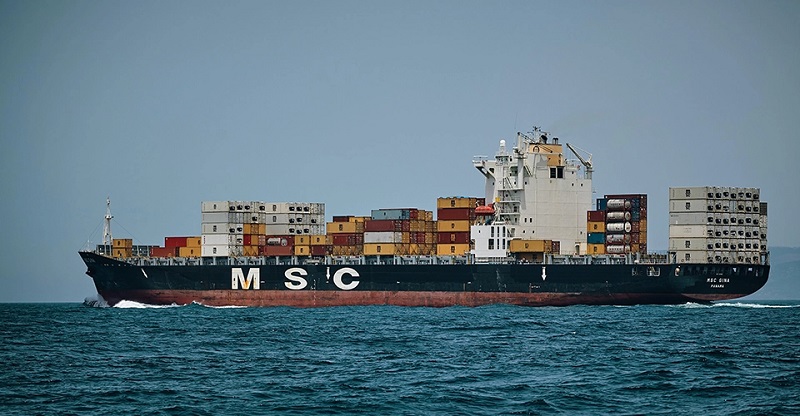
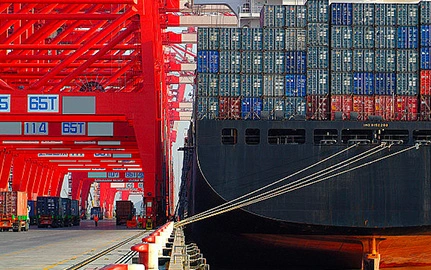
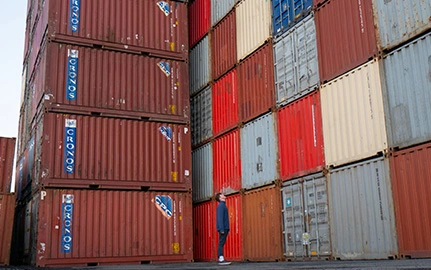
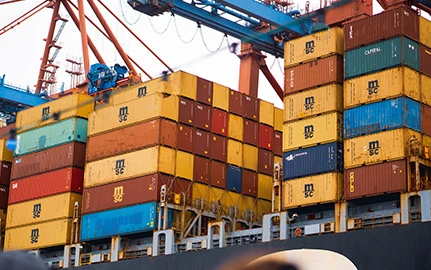
Ocean freight is the most cost-effective solution for international freights involving large volumes or heavy cargo.
Key characteristics:
Ideal for non-urgent shipments
Supports FCL (Full Container Load) and LCL (Less than Container Load)
Lower cost per unit
Longer transit times
Ocean freight is widely used for freight shipping to Brazil, Asia–Europe routes, and long-haul global trade lanes.
Air freight is the fastest international freight option and is commonly used for high-value, time-sensitive goods.
Key characteristics:
Fastest transit times
Higher cost
Limited cargo size and weight
Suitable for electronics, medical goods, perishables
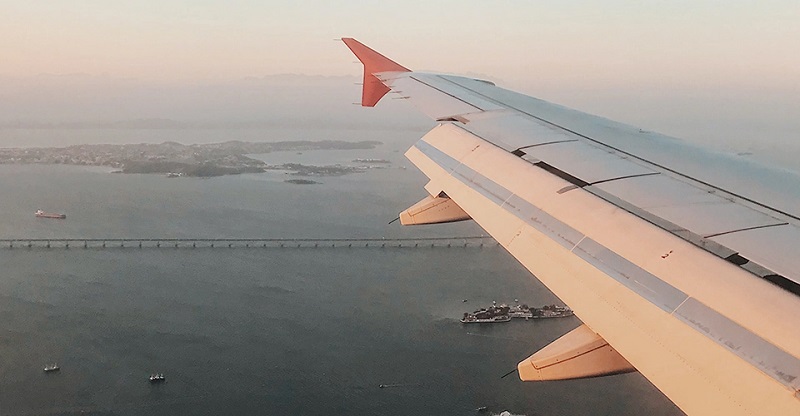
Many international freight forwarding companies use air freight for urgent supply chain requirements.
Land freight includes road and rail transport and is essential for regional and cross-border trade.
Key characteristics:
Flexible routing
Cost-effective for short to medium distances
Ideal for domestic distribution and cross-border movements
Land freight often complements ocean and air freight in multimodal logistics solutions.
A freight forwarder is a logistics specialist that organizes, manages, and coordinates the movement of cargo on behalf of shippers.
Route and carrier selection
Freight booking and coordination
Customs clearance and documentation
Cargo insurance
Warehousing and consolidation
End-to-end shipment visibility
Freight forwarders do not usually operate vessels or aircraft; instead, they manage the logistics process using global carrier networks.
Understanding the distinction between an NVOCC and a freight forwarder is critical for international shipping decisions.
An NVOCC (Non-Vessel Operating Common Carrier) operates as a carrier without owning vessels. It:
Issues its own Bill of Lading
Consolidates cargo
Takes legal responsibility for ocean shipments
Contracts directly with shipping lines
| Aspect | Freight Forwarder | NVOCC |
|---|---|---|
| Legal role | Agent | Carrier |
| Bill of Lading | Carrier-issued | Own B/L |
| Liability | Limited | Carrier-level |
| Primary focus | Logistics coordination | Ocean freight consolidation |
For ocean freight–heavy trade lanes, NVOCC services often provide better control and pricing.
Choosing the right freight forwarding services company directly impacts cost, reliability, and compliance.
Experience in target trade lanes (e.g., Australia freight forwarding)
NVOCC licensing and carrier contracts
Customs expertise and local representation
Multimodal capabilities (ocean, air, land)
Digital tracking and communication
Transparent pricing and documentation
For complex routes such as freight shipping to Brazil, local regulatory knowledge is especially important.
Australia freight forwarding requires expertise in:
Strict biosecurity regulations
Customs clearance procedures
Port and inland logistics coordination
Long transit distances
Reliable freight forwarders ensure compliance while optimizing transit times and landed costs for imports and exports.
Brazil is one of the most regulated freight destinations in Latin America.

Key considerations include:
Complex customs documentation
Import licensing requirements
High inspection rates
Port congestion planning
Experienced international freight forwarding companies mitigate delays and compliance risks through local partnerships and proactive documentation management.
International freight is evolving toward:
Digital freight platforms
Greater supply chain transparency
Sustainability-driven routing
Integrated multimodal logistics
AI-assisted planning and forecasting
Companies that partner with capable freight forwarding services companies will be better positioned to navigate global trade volatility.
Ocean freight is generally the most cost-effective for large or heavy shipments.
Transit time depends on origin and mode, but ocean freight typically ranges from 30–45 days.
Brazil has strict customs regulations, licensing requirements, and inspection processes, making local expertise essential.
 English
 português