2026/01/28
An NVOCC operates as a carrier without owning vessels, while a freight forwarder acts as a logistics coordinator representing the shipper. The difference lies in legal responsibility, documentation authority, and risk ownership—factors that directly impact cost, control, and liability in international freight forwarding.
Understanding how NVOCC and freight forwarder roles differ is essential when choosing the right partner for ocean freight–driven global trade.
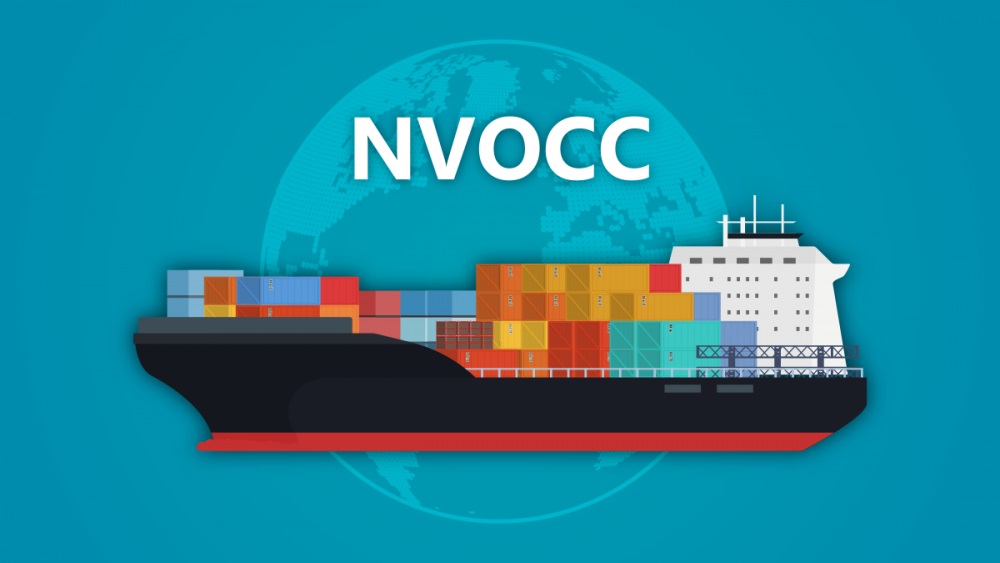
NVOCC stands for Non-Vessel Operating Common Carrier.
An NVOCC is a licensed ocean transportation intermediary that:
Does not own or operate ships
Purchases space from ocean carriers
Consolidates cargo
Issues its own Bill of Lading
Assumes carrier-level responsibility toward the shipper
From a legal and operational standpoint, an NVOCC is treated as a carrier, not merely an agent.
An NVOCC functions as an intermediary carrier between the shipper and the vessel-operating ocean carrier.
Ocean freight consolidation (LCL/FCL)
Issuing House Bills of Lading
Rate negotiation with shipping lines
Cargo space allocation and management
Carrier-level liability for ocean transport
Because NVOCCs control freight contracts and documentation, they play a critical role in cost optimization and shipment control for ocean freight.
A freight forwarder is a logistics service provider that organizes and manages the movement of cargo on behalf of the shipper.
Unlike an NVOCC, a freight forwarder:
Acts primarily as an agent
Does not issue its own ocean Bill of Lading
Coordinates transport across air, ocean, and land
Manages documentation, customs clearance, and delivery
An international freight forwarder focuses on end-to-end supply chain coordination rather than assuming carrier liability.
The difference between NVOCC and freight forwarder becomes clear when comparing responsibility, authority, and operational scope.
| Aspect | NVOCC | Freight Forwarder |
|---|---|---|
| Legal role | Carrier | Agent |
| Own vessels | No | No |
| Issues Bill of Lading | Yes (House B/L) | No (Carrier B/L) |
| Liability | Carrier-level | Limited agent liability |
| Core focus | Ocean freight | Multimodal logistics |
| Best for | Cost control, consolidation | End-to-end coordination |
This difference directly affects how risk, accountability, and pricing are handled in international freight shipping.
NVOCC services are most suitable when:
Ocean freight is the primary transport mode
Cargo consolidation is required
Cost efficiency is a priority
Greater control over carrier contracts is needed
NVOCCs are commonly used for:
LCL consolidation programs
High-volume trade lanes
Stable, repeat shipping routes
A freight forwarder is typically the better option when:
Multiple transport modes are involved
Complex customs or regulatory requirements exist
Door-to-door service is required
The shipper needs a single logistics interface
For businesses managing diverse supply chains, an international freight forwarder provides flexibility and operational simplicity.
In practice, NVOCCs and freight forwarders often collaborate rather than compete.
A typical structure:
The freight forwarder manages the shipper relationship and documentation
The NVOCC controls ocean freight space and rates
Both coordinate with carriers, ports, and customs authorities
This hybrid model combines cost efficiency with service breadth, especially on high-volume international trade lanes.
NVOCCs are subject to strict regulatory oversight, including:
Licensing requirements
Financial responsibility (bonding)
Tariff publication
Carrier liability standards
Freight forwarders, while also regulated, face different compliance obligations and typically carry lower liability exposure.
For shippers, understanding these regulatory differences helps manage risk more effectively.
The decision should be based on:
Shipment volume and frequency
Transport modes required
Risk tolerance and liability preference
Cost sensitivity
Trade lane complexity
For ocean-focused, volume-driven shipping, NVOCC services often provide pricing and control advantages.
For diversified, compliance-heavy logistics, freight forwarders deliver broader operational value.
NVOCCs can offer lower ocean freight rates through consolidation and direct carrier contracts, but total cost depends on service scope.
Yes. Many logistics companies operate in both capacities, depending on the shipment structure and legal role assumed.
The NVOCC assumes carrier-level responsibility toward the shipper for the ocean leg of transport.
Freight forwarders do not issue ocean Bills of Lading; these are issued by carriers or NVOCCs.
 English
 português