2026/09/02
Shipping from China to Sydney can be arranged by either air freight or sea freight, depending on your delivery timeline, cargo volume, and budget. Air freight usually takes around 5–10 days, while sea freight generally takes 20–35 days, making air shipping suitable for urgent cargo and sea shipping ideal for cost-effective commercial imports.
For businesses managing shipping from China to Sydney, choosing the right transportation method and logistics partner is essential for controlling costs, avoiding delays, and maintaining a reliable supply chain.
The shipping time from China to Sydney depends on the freight method, departure location, customs procedures, and final delivery arrangements.
Air freight is the fastest option for China–Sydney shipments. Typical transit times include:
Standard air freight: 5–10 days
Express air shipping: 3–7 days depending on service level
Air freight is commonly used for:
High-value products
Urgent inventory replenishment
Electronics
Samples
Time-sensitive goods
Although air freight costs more than sea freight, it helps businesses maintain stock availability and respond quickly to market demand.
Sea freight is the preferred choice for larger commercial shipments. Transit times are usually:
Full Container Load (FCL): approximately 20–30 days
Less than Container Load (LCL): approximately 25–35 days
Sea freight is suitable for:
Furniture
Machinery
Bulk products
Retail inventory
Heavy or oversized cargo
The best shipping method depends on your business priorities.
Air freight provides faster delivery and greater flexibility. It is the preferred solution when:
Products have short selling cycles
Customers require quick delivery
Shipment value is high compared with weight
Inventory shortages need immediate solutions
Sea freight offers a much lower cost per unit and is ideal for businesses importing larger quantities.
For regular importers, working with experienced shipping companies Sydney can help optimize container planning, shipping schedules, and overall logistics costs.
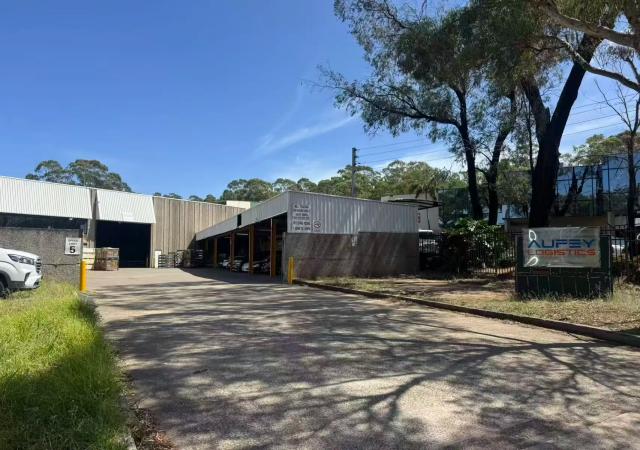
Sea freight is generally the most economical method for shipping goods from China to Sydney, especially for shipments with higher volume or weight.
Several factors influence the final shipping cost:
Cargo dimensions and weight
Shipping method
Departure port in China
Container type
Customs duties and taxes
Local delivery requirements
A professional logistics provider can compare different shipping solutions and recommend the most cost-effective option based on your cargo requirements.
A professional shipping agent Sydney helps businesses manage the complete international shipping process, including:
Supplier coordination in China
Cargo pickup and warehouse handling
Sea and air freight booking
Export documentation
Customs clearance assistance
Shipment tracking
Final delivery arrangements
Instead of coordinating multiple suppliers, carriers, and customs providers, businesses can rely on one logistics partner to simplify the entire process.
Accurate documentation is critical for smooth customs clearance in Australia.
Common shipping documents include:
Commercial invoice
Packing list
Bill of lading for sea freight
Air waybill for air freight
Import declaration
Certificates or permits for regulated goods
Additional documents may be required for products such as food, cosmetics, timber, chemicals, and agricultural items due to Australian import regulations.
Australian customs clearance requires accurate shipment information and compliance with import regulations.
The process generally involves:
Submission of import documents
Cargo assessment and classification
Payment of applicable duties and GST
Customs approval
Cargo release and delivery
Incorrect product descriptions, missing documents, or inaccurate HS codes can cause delays and additional costs.
Experienced shipping companies Sydney can help ensure documentation accuracy and improve customs efficiency.
Selecting the right freight partner can significantly affect your international shipping experience.
Consider these factors:
A provider familiar with Chinese export procedures and Australian import requirements can handle potential issues more effectively.
A reliable partner should offer both air and sea freight options, customs support, warehouse services, and local delivery.
Clear quotations should include relevant charges such as freight costs, handling fees, and additional service requirements.
Regular updates and responsive support help businesses monitor shipments and manage supply chain planning.
Businesses importing from China often face challenges such as:
Port congestion, peak seasons, weather conditions, and customs inspections can affect delivery schedules.
Incorrect invoices, packing lists, or product classifications may result in clearance delays.
Choosing the wrong shipping method can increase logistics expenses, especially for businesses with frequent shipments.
Partnering with an experienced shipping agent sydney helps reduce these risks through professional planning and shipment management.
China to Sydney freight shipping requires careful consideration of speed, cost, cargo type, and compliance requirements. Air freight provides faster delivery for urgent shipments, while sea freight remains the preferred choice for cost-effective commercial transportation.
For businesses involved in shipping from china to sydney, selecting a reliable logistics partner with experience in both air and sea freight can improve efficiency, reduce risks, and create a more stable international supply chain.
Air freight usually takes 5–10 days, while sea freight generally takes 20–35 days depending on the shipping route, customs clearance, and delivery requirements.
No. Air freight is faster but usually more expensive. Sea freight is more economical for large-volume shipments.
The best method depends on your needs. Air freight is suitable for urgent cargo, while sea freight is better for larger shipments where cost efficiency is important.
A shipping agent is not legally required, but many businesses use one to manage freight booking, documentation, customs procedures, and delivery coordination.
Common Chinese departure ports include Shanghai, Shenzhen, Ningbo, Guangzhou, and Qingdao. Goods are typically delivered through Sydney’s major container terminals and logistics networks.
This is the first one.
 English
 português