2026/08/24
Shipping from China to Melbourne usually takes 5–10 days by air freight and approximately 18–35 days by sea freight, depending on the origin city in China, shipping route, customs clearance, and cargo type. Businesses choosing between air and sea shipping should consider not only transit time but also cost, shipment volume, urgency, and supply chain requirements.
For companies working with a freight forwarder china to melbourne, selecting the right transportation method can significantly impact inventory planning, customer satisfaction, and overall logistics costs.
The shipping time from China to Melbourne varies by transportation mode:
| Shipping Method | Estimated Transit Time | Best For |
|---|---|---|
| Air freight | 5–10 days | Urgent shipments, high-value goods, small cargo |
| Sea freight (FCL) | 20–30 days | Large-volume shipments, regular inventory |
| Sea freight (LCL) | 25–35 days | Smaller shipments sharing container space |
The total delivery timeline includes export procedures in China, international transportation, customs clearance in Australia, and local delivery to the final destination.
Air freight is the fastest shipping option from China to Melbourne, while sea freight is the more economical choice for larger shipments.
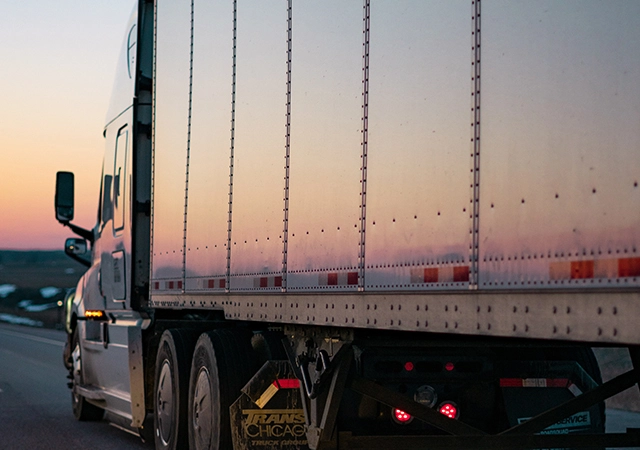
Air freight is commonly used for time-sensitive cargo such as electronics, samples, replacement parts, seasonal products, and premium goods. Most shipments can arrive in Melbourne within one week when customs clearance runs smoothly.
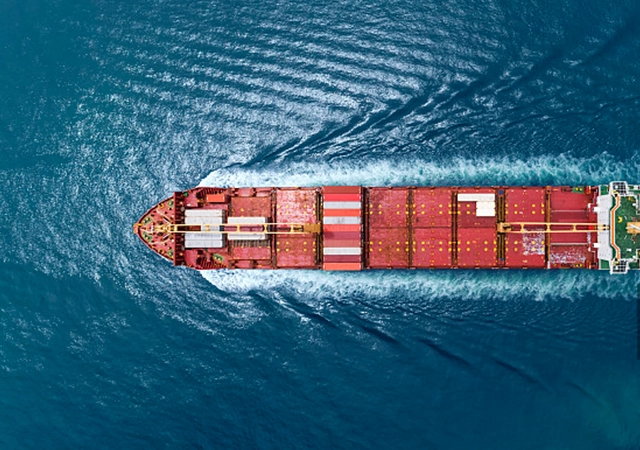
Sea freight requires more time but provides a much lower cost per kilogram, making it the preferred solution for commercial cargo, machinery, furniture, and bulk goods.
Not always. The better option depends on your business requirements.
Delivery speed is the top priority
The shipment has high value but low weight
Products have short sales cycles
You need emergency replenishment
You are shipping large quantities
Cost control is more important than speed
Your inventory planning allows longer lead times
Goods are heavy, bulky, or non-urgent
An experienced melbourne freight forwarding partner can help evaluate the most suitable shipping method based on cargo specifications and business goals.
Several operational factors can influence the final delivery schedule:
Major export hubs such as Shanghai, Shenzhen, Ningbo, Guangzhou, and Qingdao usually have more frequent shipping schedules and mature logistics networks.
Australian customs procedures, documentation accuracy, quarantine requirements, and product regulations can affect delivery speed.
Products requiring inspection, certification, or special handling may require additional processing time.
During periods such as Chinese New Year, Christmas sales preparation, and major shopping seasons, limited shipping capacity may extend transit times.
Air freight cargo costs more than sea freight because airlines charge based on speed, handling requirements, and chargeable weight. Sea freight is generally more cost-effective for shipments above several hundred kilograms or larger cargo volumes.
A professional freight forwarder will consider:
Cargo weight and dimensions
Shipping terms (EXW, FOB, CIF, DDP, etc.)
Container requirements
Customs duties and GST
Local delivery arrangements
For businesses importing regularly, optimizing the shipping method can create significant savings across the supply chain.
A reliable freight forwarder china to melbourne provides more than transportation. Professional forwarding services usually include:
Supplier pickup in China
Export documentation management
Air and sea freight booking
Customs clearance coordination
Warehouse solutions
Final delivery in Melbourne
Working with an experienced provider reduces communication issues between suppliers, carriers, and customs authorities while improving shipment visibility.
The choice between air freight and sea freight from China to Melbourne depends on your priorities. Air freight cargo offers speed and flexibility, while sea freight provides better cost efficiency for larger shipments.
For businesses importing from China, partnering with a professional melbourne freight forwarding provider helps balance delivery time, shipping costs, and supply chain reliability. Selecting the right logistics strategy ensures smoother operations and better control over international shipments.
Sea freight from China to Melbourne generally takes 20–35 days, including ocean transit and standard handling procedures. Actual timing depends on the departure port, shipping schedule, and customs clearance.
Air freight usually takes 5–10 days from China to Melbourne. Express air services can be faster, while standard air cargo services may take longer depending on handling and customs processes.
Yes. Sea freight is significantly cheaper for large and heavy shipments because container shipping has a lower cost per unit compared with air transportation.
For most commercial imports, sea freight is the most cost-effective option, especially for full container loads (FCL) or larger shipments.
Consider your delivery deadline, cargo value, shipment size, and budget. A professional freight forwarder can compare both options and recommend the most efficient solution for your business.
 English
 português