2024/11/28
Ever been in a situation where you're trying to ship something and wondering, "Should I use a courier or a freight forwarder?" It can feel like choosing between a bicycle and a truck to get your goods from point A to B. They both move items but operate on entirely different scales and for distinct purposes. Let's unpack this together!
Why Understanding the Difference Matters
Imagine ordering something tiny like a book versus something massive like a sofa. Would the same delivery system work for both? Definitely not! That's where understanding the distinction between couriers and freight forwarders comes in handy. Picking the right service saves time, money, and headaches.
The Role of Logistics in Everyday Life
Logistics might not sound thrilling, but it powers our modern world. From your online shopping hauls to global trade, these systems keep everything flowing smoothly.
.webp "freight forwarding services companies")
Defining a Courier
Think of couriers as the sprinters of the delivery world. They specialize in speed and efficiency, handling smaller parcels and documents.
Typical Services Offered by Couriers
Small Packages and Documents
Couriers excel at delivering small, manageable items. Whether it's a birthday gift or crucial paperwork, they've got you covered.
Same-Day or Next-Day Delivery
Need something ASAP? Couriers are all about urgency. Their networks are built for swift turnaround times.
Key Players in the Courier Industry
Names like FedEx, DHL, and UPS probably ring a bell. These giants dominate the courier scene globally.

Defining a Freight Forwarder
Freight forwarder in shipping, on the other hand, is like logistics masterminds. They handle complex, large-scale shipments and orchestrate everything from transportation to customs clearance.
Services Offered by Freight Forwarders
Large-Scale Shipping Solutions
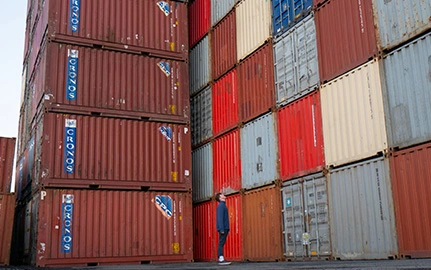
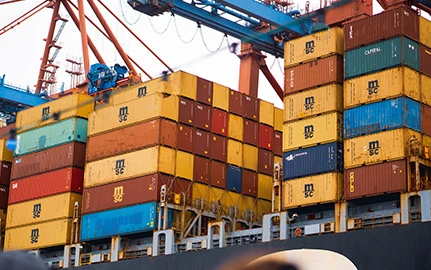
International freight forwarders shine when it comes to bulky goods. Need to move a car or a container full of products? They're your go-to.
Customs and Documentation Handling
International shipping can be a paperwork nightmare. Freight forwarders tackle this challenge for you.
Major Freight Forwarding Companies
Ever heard of Maersk or DB Schenker? They're big players in freight forwarding.
Shipment Size and Type
Couriers focus on small, lightweight items, while freight forwarders handle heavy, bulk goods.
Delivery Speed and Flexibility
Couriers are lightning-fast, perfect for urgent needs. Freight forwarders prioritize efficiency over speed, ensuring large shipments arrive safely.
Cost Structures
Couriers charge per package or weight, while freight forwarders calculate costs based on volume, weight, and destination.
Geographic Reach
While couriers are excellent for domestic or short-distance deliveries, freight forwarders dominate the international shipping game.
| Feature | Courier Service | Freight Forwarder |
|---|---|---|
| Shipment Size | Small parcels and documents | Large commercial cargo and bulk shipments |
| Delivery Speed | Fast (1–7 days) | Moderate (depending on mode) |
| Transportation Mode | Mainly air and road | Ocean, air, rail, truck, multimodal |
| Customs Support | Basic | Comprehensive customs coordination |
| Cost Efficiency | Better for small packages | Better for large-volume shipments |
| Cargo Consolidation | Usually not available | Commonly available |
| Supply Chain Services | Limited | Extensive logistics solutions |
| Best For | E-commerce parcels, urgent deliveries | International trade and B2B shipments |
Small and Urgent Shipments
Need something delivered within hours or overnight? Couriers are your best bet.
Door-to-Door Convenience
Couriers excel at making deliveries super convenient with direct, doorstep services.
Bulk or Heavy Cargo
Shipping furniture or industrial equipment? Freight forwarders have the tools and networks to handle it.
International Shipments with Complex Requirements
From customs paperwork to coordinating multiple transport modes, freight forwarders simplify the process.
Advantages of Couriers
Fast and reliable for small items.
Ideal for personal or small business needs.
Drawbacks of Couriers
Limited to smaller parcels.
Costs can skyrocket for heavier items.
Advantages of Freight Forwarders
Tailored for large-scale shipments.
Expertise in navigating international trade.
Drawbacks of Freight Forwarders
Slower than couriers.
Requires more planning and documentation.
Choosing the Right Service for Your Needs
The choice boils down to your specific requirements—speed versus scale, urgency versus complexity.
Final Thoughts
Whether it's a courier for quick delivery or a freight forwarder for large shipments, each has its strengths. Understanding these differences ensures your logistics game is always on point.
1. What does a freight forwarding agent do?
A freight forwarding agent coordinates the movement of cargo from the supplier to the final destination. Unlike a courier company that handles parcels directly, forwarding agents arrange transportation through ocean carriers, airlines, trucking companies, customs brokers, and warehouses. Their responsibilities often include freight booking, customs documentation, cargo consolidation, insurance, and shipment tracking. Businesses that import or export internationally typically use freight forwarding agents to reduce shipping costs, improve transit efficiency, and ensure compliance with international trade regulations.
2. Is a freight forwarder the same as a 3PL provider?
Not exactly. A 3PL freight forwarder may offer freight forwarding services, but the two terms are not interchangeable. A freight forwarder primarily focuses on arranging transportation and managing international shipments. A third-party logistics (3PL) provider can offer a broader range of services, including warehousing, inventory management, fulfillment, packaging, distribution, and returns processing. Companies that require end-to-end supply chain management often choose a 3PL, while businesses that only need transportation coordination may work directly with a freight forwarder.
3. When should I use an international ocean freight forwarder instead of a courier service?
An international ocean freight forwarder is usually the better choice when shipping large, heavy, or high-volume cargo internationally. Courier services are ideal for small parcels, urgent documents, and lightweight shipments that need fast delivery. Ocean freight becomes more cost-effective for palletized goods, commercial cargo, machinery, raw materials, and bulk shipments. Many importers switch from courier services to ocean freight forwarding once shipment volumes increase because transportation costs per unit can be significantly lower.
4. How do freight forwarders reduce international shipping costs?
Freight forwarders reduce costs by leveraging carrier relationships, consolidating cargo from multiple shippers, optimizing shipping routes, and selecting the most cost-effective transportation modes. Experienced forwarding agents can also help businesses avoid unnecessary customs delays, storage fees, and documentation errors that often increase overall logistics expenses. For companies shipping regularly, a professional freight forwarder may identify opportunities to reduce landed costs while maintaining reliable delivery schedules.
5. Do freight forwarders handle customs clearance?
Many freight forwarders assist with customs clearance, although the exact service scope depends on the country and provider. Freight forwarders typically prepare shipping documents, coordinate with customs brokers, and help ensure compliance with import and export regulations. This support can reduce the risk of shipment delays, customs holds, penalties, or unexpected charges. Businesses shipping internationally often benefit from working with a freight forwarder that has experience with destination-country customs requirements.
6. How do I choose the best freight forwarding company for international shipping?
The best freight forwarding company should have experience with your shipping routes, cargo type, and transportation mode. Key factors to evaluate include global carrier networks, customs expertise, shipment visibility, transit reliability, communication responsiveness, and industry certifications. Businesses should also compare whether the provider offers value-added services such as cargo insurance, warehousing, consolidation, and supply chain consulting. A reliable freight forwarder not only moves cargo but also helps reduce risks and improve overall logistics efficiency.
 English
 português